Blog Overview

Plant-Based Hunger Relief: An Important But Overlooked Form of Vegan Advocacy

In honor of World Hunger Day... The Food Security Advantages of Plant-Based Foods The UN has urged that by 2050, the world will need to produce 50% more food without using any more land, while at the same time reducing agriculture's greenhouse gas emissions by two-thirds. Animal agriculture currently uses a whopping 83% of all agricultural land, and is one of the leading human-caused sources of climate change, contributing as much as 37% of global greenhouse gases. Some research estimates that emissions from animal-sourced food production are more than emissions from...
Read More about Plant-Based Hunger Relief: An Important But Overlooked Form of Vegan Advocacy

One Health: Awakening from the Illusion of Our Separateness

photos courtesy of Jo-Anne McArthur with We Animals at Farm Sanctuary see also The New Sentience book and our One Health webpage Human Impact We are currently living through a geological era that scientists have termed the Anthropocene, an age in which human activity is recognized as the most dominant and destructive influence on Earth's climate, environment, and ecosystems. Among these activities, human use and abuse of animals is implicated in multiple overlapping crises, from climate change to the coronavirus pandemic (and many of the worst pandemics in history), as well...
Read More about One Health: Awakening from the Illusion of Our Separateness

Global Government Health Orgs Agree: Humans Do Not Need to Eat Animals

The foremost nutrition organizations around the world including the American Academy of Nutrition and Dietetics, the Dietitians of Canada, the British Dietetic Association, Australia’s National Health and Medical Research Council, and the Physicians Committee for Responsible Medicine all affirm that well-planned vegan diets are a safe, healthy and viable option for all age groups. Government health experts worldwide are finally catching up with the large body of scientific evidence demonstrating that a vegan diet is not only a viable option for people of any age, but that eating plant foods instead...
Read More about Global Government Health Orgs Agree: Humans Do Not Need to Eat Animals

How Our Food Choices Impact Our Oceans

Fish production falls into two main categories: aquaculture, also known as fish farming, and wild capture, which depends on large-scale, indiscriminate techniques such as bottom trawling and longlining. Both categories of fishing inflict tremendous suffering on animals, and monumental destruction on marine ecosystems. But so do production of meat, dairy, and eggs. Here's the deep dive... Fish Feel Let's start with the obvious: fishing hurts fishes. At least, that much should be obvious, but accepting that fish experience pain and suffering has been a bizarrely contentious historical concession marred by...
Read More about How Our Food Choices Impact Our Oceans

Individual Food Choices Are Crucial to Saving the Planet, Experts Say

Climate grief is a real thing, and it’s been significantly amplified the past few years. But as climate-fueled disasters wreak unprecedented devastation across the globe, at the same time that the U.S. withdraws from the Paris Climate Agreement, bans the use of terms like “climate change,” "climate crisis," and "climate science" on government websites, and dismantles the NOAA—the world’s most important weather and climate monitoring system whose information is crucial to weather preparedness and emergency evacuation warnings (among other services)—climate despair has reached a new level of bleak. That’s why...
Read More about Individual Food Choices Are Crucial to Saving the Planet, Experts Say

No Drought: Plant-Based Diets Crucial to Ending Water Crisis, Experts Warn

We are living in an increasingly water stressed and water scarce world, with dire implications for ecosystems, economies, and communities worldwide. Scientists have recently warned of an alarming and unprecedented escalation in global drought and aridity over the past few decades. A 2022 UN report found that since 1970, weather, climate and water hazards accounted for 50 percent of all global disasters and a staggering 45 percent of all reported deaths, with drought leading to the most human deaths during this period. The number and duration of droughts has increased...
Read More about No Drought: Plant-Based Diets Crucial to Ending Water Crisis, Experts Warn

Cost of Eggs Got You Down? There’s a Bean for That.

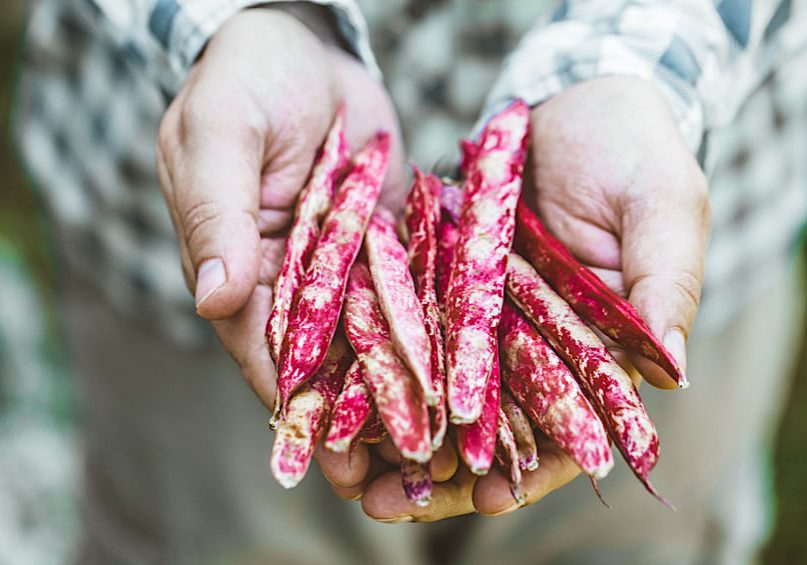
The ongoing avian influenza (bird flu) outbreak has seen egg prices soar, averaging around $5 per dozen in January 2025, and running as high as $15 per dozen in some places. Since the start of the outbreak in 2022 (2020 in Europe), more than 160 million farmed birds have been killed or “culled” in the United States alone. The significantly reduced number of chickens has led to egg prices reaching a staggering 45-year high. Yet despite these inhumane mass cullings, the bird flu virus has not been contained; on the...
Read More about Cost of Eggs Got You Down? There’s a Bean for That.

Continued Demand for Meat & Dairy Will Devastate the Planet, Scientists Warn

In 2024, the world experienced its hottest year on record. For the first time, the global average temperature reached 1.6°C above preindustrial levels, surpassing the critical 1.5°C threshold needed to curb accelerating climate change. The impacts of climate change are now evident across every continent. Animal agriculture and food systems are responsible for up to one-third of all greenhouse gas emissions to date. However, most climate change strategies overlook the critical role these systems play in mitigation efforts. In the article "Solving Climate Change Requires Changing Our Food Systems," published...
Read More about Continued Demand for Meat & Dairy Will Devastate the Planet, Scientists Warn

Beans By Any Name

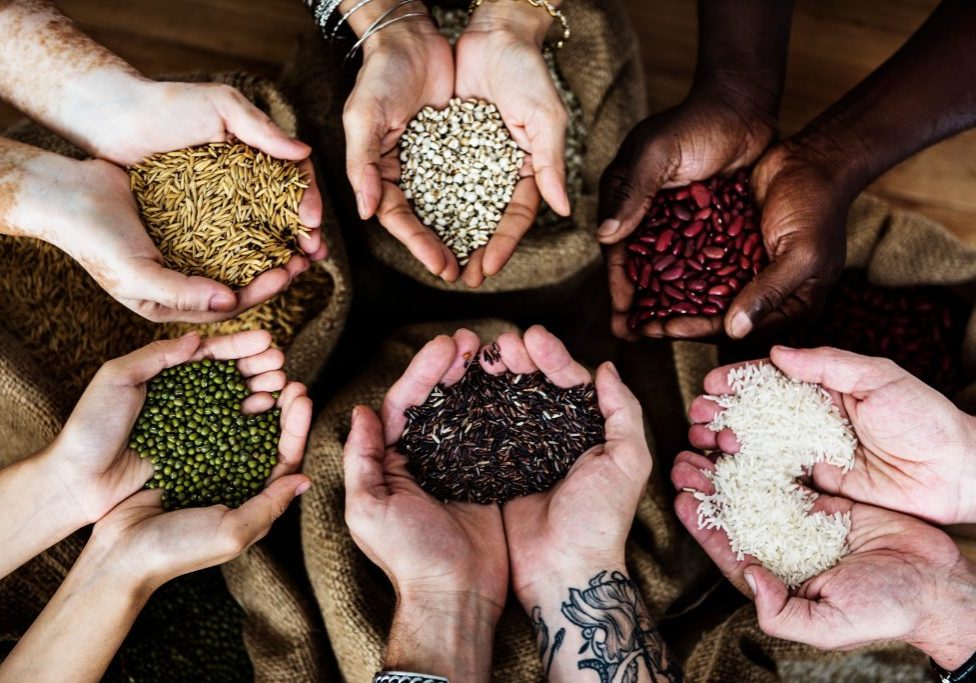
Bean-Geeks and Word-Geeks Rejoice: Here's the Name Nuance While people (including us) often use the words “legumes,” “pulses,” and “beans” interchangeably, technically these terms have different and distinct meanings. Legumes are the broadest category that includes all the plant parts from the Fabiacaea family (also known as the Leguminosae, legume, bean, or pea family). They are characterized by having multiple "seeds" in a pod. Pulses are the edible seed a legume. Pulses include DRIED beans, peas, lentils, and chickpeas. Oilseeds include soybeans and peanuts (which is a legume not a nut)....
Read More about Beans By Any Name

Peas On Earth (Day)!

Peas On Earth: How Pulses Heal Our Bodies & Our Planet This Earth Day 2024, as part of our partnership with the United Nations Beans Is How campaign, Food and Climate Alliance, and Seed Programs International, we're scaling up our celebration of the incredible power of pulses for both personal and planetary health. Actually, technically, we're celebrating the legendary benefits of legumes. While people often use the words “legumes,” “pulses,” and “beans” interchangeably (at A Well-Fed World, we tend to use "pulses" as shorthand for all things beany), technically these terms...
Read More about Peas On Earth (Day)!

Cool Beans! How Pulses Fight Hunger and Climate Change

This World Pulses Day, A Well-Fed World is thrilled to be accepted as an official partner of the Beans Is How campaign, a United Nations backed initiative to double global consumption of beans (as well as peas, lentils and other pulses) by 2028. Beans Is How is a project of the UN's SDG2 Advocacy Hub, which coordinates global campaigning and advocacy to achieve the UN's Sustainable Development Goal (SDG) #2: "To end hunger, achieve food security and improved nutrition, and promote sustainable agriculture by 2030." Working with a diverse coalition...
Read More about Cool Beans! How Pulses Fight Hunger and Climate Change

We Need a Plant-Based Food System to Feed the World

In order to feed a growing global population, the United Nations has projected we will need to produce at least 50% more food by 2050 without using any more land. At the same time, we will need to reduce greenhouse gas emissions from agriculture by two-thirds in order to meet the minimum climate targets to stay within livable planetary boundaries, the same experts say. But how can we possibly increase food production so drastically while simultaneously reducing the amount of land used for agriculture, as well as the associated emissions?...
Read More about We Need a Plant-Based Food System to Feed the World

If You Care About the Planet, Eat a Plant-Based Diet, Scientists Urge

The world’s leading body of climate scientists, the United Nations Intergovernmental Panel on Climate Change (IPCC), has published the fourth and final installment of a rigorous multi-year assessment that marks their most dire and urgent climate analysis to date. The report synthesizes scientists’ key findings, predictions, and recommendations for the best ways to reduce global heating and prevent the worst impacts of climate change. In the assessment’s third installment, published in 2022, the scientists urged a switch to plant-based diets as the single most important shift we as individuals can...
Read More about If You Care About the Planet, Eat a Plant-Based Diet, Scientists Urge

Beans Can Save Your Heart, and the Planet

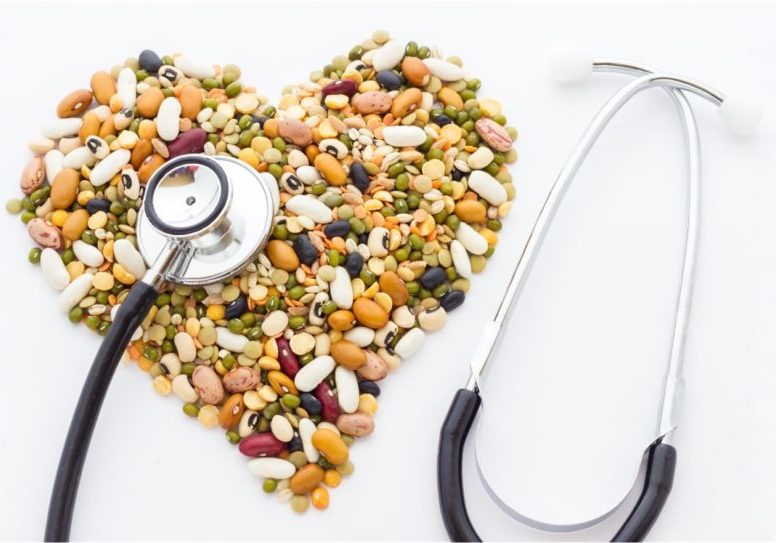
Our bean project needs sponsors! Will you show some love? Did you know that pulses— the dry, edible seeds of legumes, which includes beans, peas, chickpeas, and lentils— are one of the best foods for heart health? Not only do they confer a host of protective and preventative heart benefits, but doctors say eating pulses every day can actually help treat heart disease and related conditions. According to doctors at Harvard University, “Scientific studies have definitively linked a diet high in legumes with a lower risk of developing obesity, diabetes,...
Read More about Beans Can Save Your Heart, and the Planet

Feed vs. Food: How Farming Animals Fuels Hunger

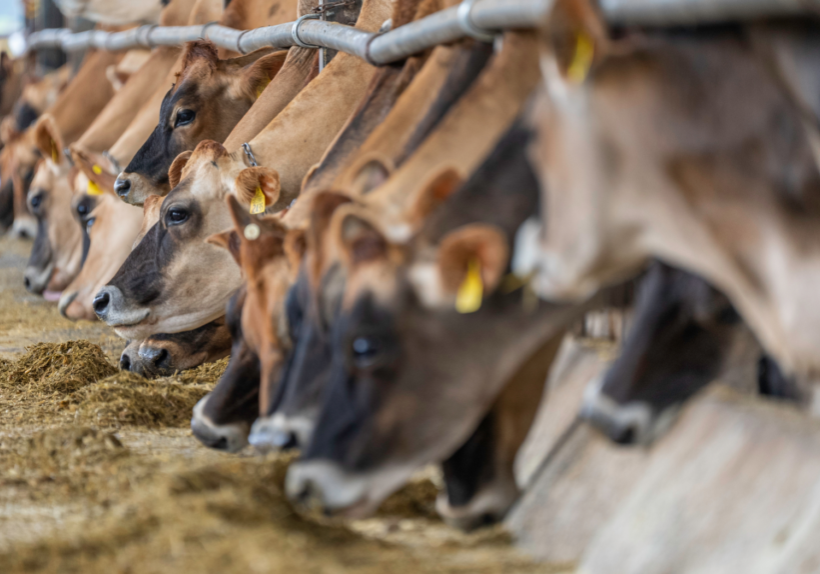
Have you ever heard the claim that 86% of animal feed is inedible to humans? This statistic is often used to imply that animal farming merely uses the waste from farming human food. However, the research behind this figure shows the opposite: animal feed competes with food security. Let's break it down: Byproducts and crop residues comprise less than 1/4 of animal feed used globally. The vast majority is either taken from pasture or grown explicitly for animal feed. Growing crops for farmed animals consumes more than 1/3 of global...
Read More about Feed vs. Food: How Farming Animals Fuels Hunger

Earth Day? We Need An Earth Diet, Scientists Urge

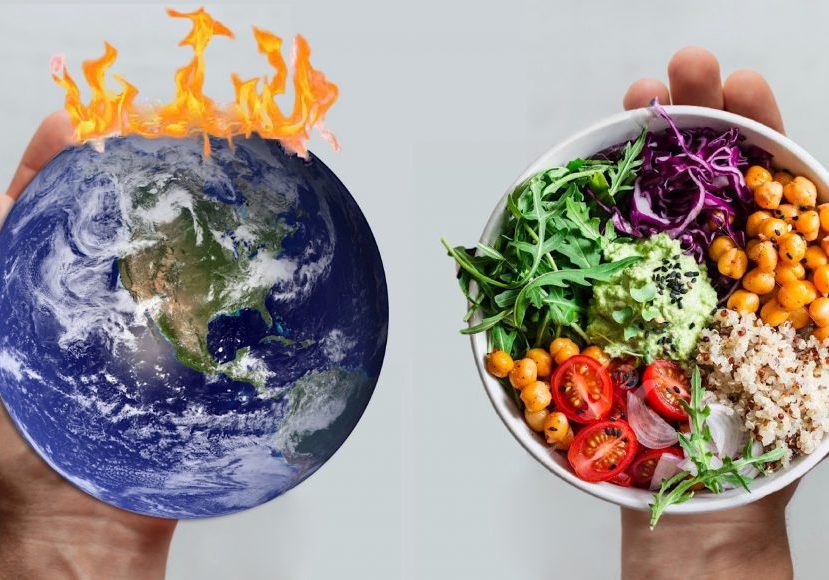
Visit our handouts page to prepare for Earth Day/Month (or anytime). In their most dire climate report to date, the UN's Intergovernmental Panel on Climate Change (IPCC) has urged a switch to plant-based diets as the single most important shift individuals can make to halt the course of climate warming and prevent the most catastrophic impacts. For the first time in 34 years since the United Nations convened the body of global climate experts, the IPCC’s new report focuses on the importance of demand-side mitigation potential; that is, the crucial...
Read More about Earth Day? We Need An Earth Diet, Scientists Urge

Holiday Gifting Got Your Goat? Don’t Have a Cow. Don’t Send One, Either.

The holiday season is here, which means many of us are aswirl in festive decorations, joyful songs, gift-giving ideas, and of course, advertisements luring us in for lots and lots of shopping. Yet as conflicts, economic turmoil, and the ongoing climate crisis wreak havoc around the world, millions of people are thinking outside the box and embracing impact giving. But how can you be sure your gift has the impact you’re intending, especially if you care about protecting the planet, feeding communities, and being kind to animals? This time of...
Read More about Holiday Gifting Got Your Goat? Don’t Have a Cow. Don’t Send One, Either.

The Secret to Farming for the Climate

A major change to how we farm is not only necessary, it’s inevitable. The 2019 Climate Change and Land IPCC report described the need to focus on changing land use and current agriculture practices in order to address the climate crisis. A quiet but growing trend of stock-free, otherwise known as veganic, farming can protect and regenerate the environment, and offer a prosperous economic future for farmers and regions alike. The agriculture ‘value chain’ (including deforestation, farming, processing, packaging, transportation, and waste) accounts for 25% to 57% of global greenhouse...
Read More about The Secret to Farming for the Climate

Get Your Protein From Nuts, Not Meat Says Major Medical Study

In one of the largest multi-year studies of its kind, a report published in the International Journal of Epidemiology looked at more than 81,000 Seventh-day Adventists in the US and Canada, with participants pretty evenly split between vegetarians and meat-eaters. For five years, participants kept records of what kinds of foods they were eating, including how much meat, nuts, grains, fruits and vegetables they were consuming. Titled “Patterns of Plant and Animal Protein Intake are Strongly Associated with Cardiovascular Mortality: The Adventist Health Study-2 cohort,” the report was a collaboration...
Read More about Get Your Protein From Nuts, Not Meat Says Major Medical Study

Environmental Organizations Say Eat Plants for the Planet

Leading NGOs, policymakers, and international institutions have historically acknowledged the destructive impacts of animal agriculture, but have been reluctant to advocate reduced consumption or ameliorative policies. Fortunately, that appears to be changing. In the last few years, in the face of increasingly urgent warnings from climate and environment scientists, numerous high profile environmental organizations have begun calling on consumers to reduce or eliminate meat and dairy consumption. They promote a shift to more plant-based diets as one of the most important personal actions people can take to help the environment, climate, and wildlife. In...
Read More about Environmental Organizations Say Eat Plants for the Planet

Pastoralists Switch from Herding to Growing Crops

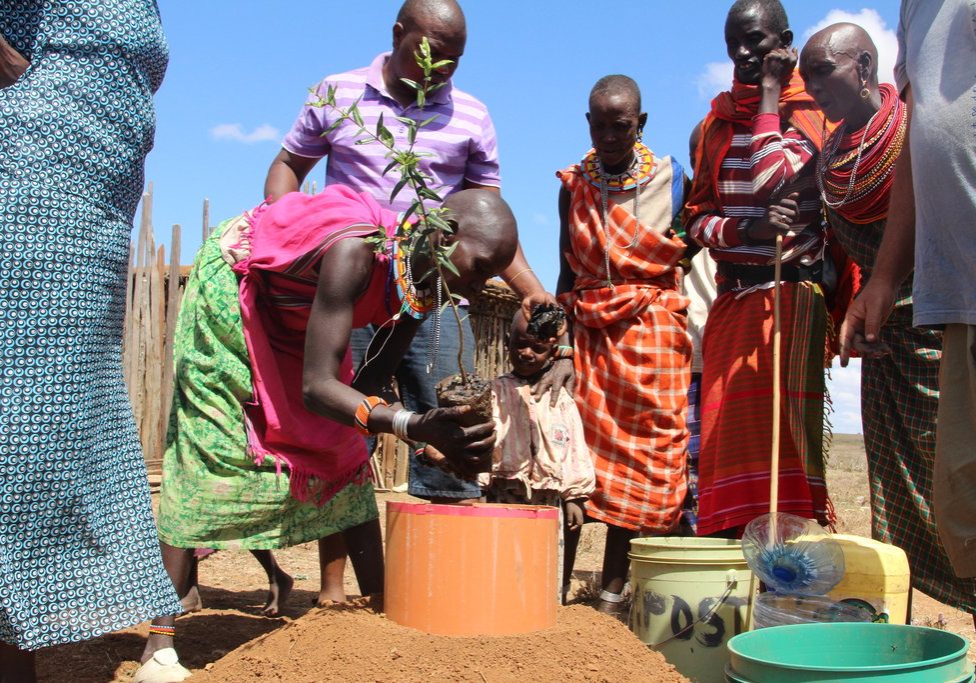
Hunger relief charities that promote sending live cows, goats, and chickens as "gifts" to families experiencing food insecurity and hunger often present animal farming as the default "best" way to feed people and help bring them out of poverty. "Send a cow' and "give a goat" campaigns focus on increasing "livestock" production not because animal agriculture is inherently better for the recipients or the regions they live in; and not because this is the only, or even the best, way to reduce hunger and poverty in these communities. Rather, the...
Read More about Pastoralists Switch from Herding to Growing Crops

© 2009-2026   -   A Well-Fed World  -  EIN: 27-0865905