

Health and Nutrition

Protein
Fats
Carbohydrates
Vitamins & Minerals
Disease Prevention

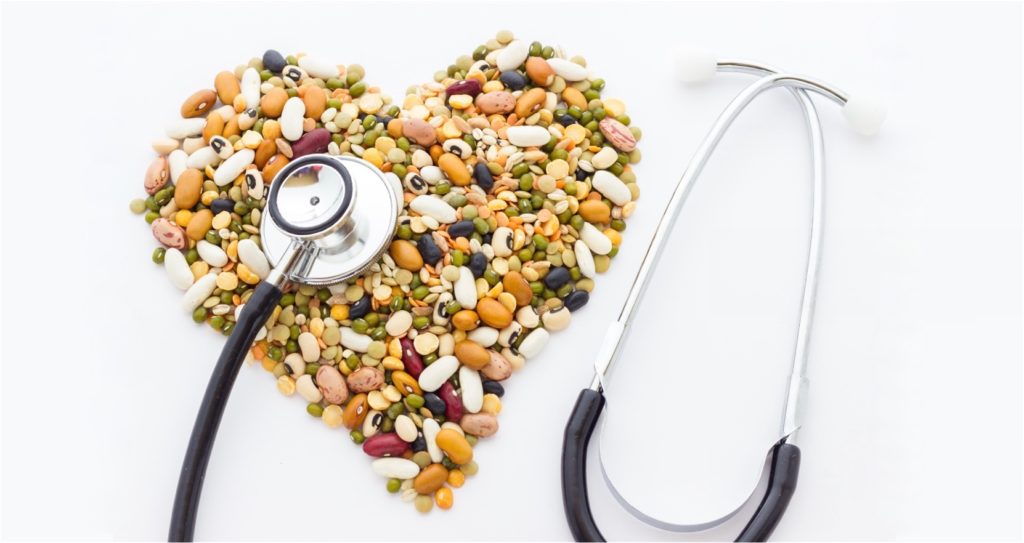
Consumption of fresh fruits and  vegetables, whole grains, and protein-rich legumes (beans, peas, lentils) is crucial to good health. These foods supply the necessary protein, fats, carbohydrates, fiber, and other essential nutrients, as well as antioxidants and a variety of beneficial phytonutrients, which reduce the risk of heart disease, certain types of cancer, diabetes, stroke, osteoporosis, and other chronic diseases (more on disease prevention). Moreover, plant-based foods are exceptional choices to reduce consumption of saturated fat, cholesterol, hormones, pesticides, antibiotics, or pathogens. On the other hand, animal products are high (sometimes to excess) in protein, iron and B12, while lacking fiber, antioxidants, and most vitamins and minerals essential to good health.


Protein

Protein is the basic building material of cells, hormones, antibodies, and enzymes. It helps maintain the proper acid-base balance, immune protection, and transmission of nerve impulses. Protein is found in many plant foods. Common U.S. legumes are soybeans (including tofu and soymilk), garbanzo beans, kidney beans, black beans, pinto beans, peas, and lentils. There are also a wide variety of analogs, which are vegetarian and vegan versions of meat, dairy and other animal products (such as veggie burgers, sausage, bacon, chicken, and turkey, aw well as soy and nut versions of milk, cheese, yogurt, and much more). These options taste great, are convenient, and offer a wide array of nutritional benefits, including high protein, high fiber, and low saturated fat.

Despite popular misconceptions, it's quite simple to take in adequate protein on a completely plant-based diet... and without special combining for each meal. The links below combine additional details and recipes.

Top Recommended Links:
Vegan Health - protein 
Physicians Committee for Responsible Medicine - protein 
American Diet Association - vegetarian diets


Fats

Monounsaturated fats, the healthiest fats, are found in olives, peanuts, almonds, avocados, and sunflower seeds, as well as the oils made from each of these foods and canola oil. These fats reduce blood levels of LDL ('bad' cholesterol) and increase levels of HDL ('good' cholesterol).

Polyunsaturated fats are found in corn, walnuts, and in soybean, safflower, sunflower, grapeseed, and flaxseed oils. They include the essential (can not be produced by our bodies) omega-3 and omega-6 fatty acids, which lower the 'bad' cholesterol. Plant foods are a better choice of fatty acids than fish, which also contain pesticides and heavy metals.

Saturated fats are found primarily (though not exclusively) in meat and other animal products. The body stores excess proteins, fats, and carbohydrates as saturated fats, and the liver uses these fats to manufacture cholesterol. Excessive dietary intake of saturated fats raises the blood cholesterol level.

Trans fats are polyunsaturated fats that have been converted from a liquid (such as corn oil) into a solid form (such as margarine or shortening). They are used in most processed foods (of plant or animal origin). Trans fats elevate 'bad' cholesterol, lower 'good' cholesterol, and have been linked to an elevated cancer risk.

HINT: To locate trans fats look for 'hydrogenate' or 'partially-hydrogenated' oils.


Carbohydrates

Carbohydrates are the main source of fuel (glucose) for the body's cells. There's no need to avoid carbohydrates, just choose wisely (switching from white processed carbs to whole foods and whole/brown carbs).

Simple carbohydrates include fruit sugars or refined grain, beet, and cane sugars, contained in most processed foods and soft drinks. They are converted into usable glucose rapidly, producing spikes in the blood glucose level and requiring excessive release of insulin. This condition is a possible precursor to hypoglycemia and diabetes.

Complex carbohydrates, found only in vegetables, legumes, and whole grains, contain long chains of glucose, which are absorbed slowly, without producing the dangerous spikes in glucose level. The dietary fiber in complex carbohydrates cleans the digestive tract and ties up cholesterol-producing compounds, reducing blood cholesterol levels and therefore helping to reduce the risk of colon cancer and cardiovascular diseases.

HINT: Don't trust the color alone, look for high fiber content and combine with high protein food to slow absorption and reduce bloodsugar spikes.


Vitamins & Minerals

Plant foods contain all the vitamins (except for B12, and occasionally D) and minerals essential for good health. For example, green leafy vegetables, such as collard greens, mustard greens, and kale, as well as calcium-fortified orange juice and soymilk provide ample calcium. Iron is particularly plentiful in legumes, green vegetables, and dried fruit. Zinc is available in legumes, corn, nuts, and seeds.  B12 can be found in dirt. 

Modern production methods highly sanitize vegetables and wash away most B12, while animals accumulate it in their bodies from unwashed food.  

HINT: Keep an watch on B12 and D levels in particular, and supplement if needed.  


Disease Prevention

Read our section on diet & disease prevention.